
HOW THE HEART WORKS: INTRODUCTION

Whenever there is a rapid spread of an infectious disease, there is much panic and concern in the public. This reaction is justified and helps raise awareness, which controls the spread of the disease. However, there has been a silent killer lurking in our country over the past few decades, steadily causing increasing death and disease.
Heart disease is now the leading cause of mortality in India. It currently accounts for nearly 31% of all deaths in the country, and this number has been rising steadily. This silent killer is heart disease and all its associated risk factors.
There are many misconceptions about heart disease:
It’s a disease of Western countries. This is absolutely false; in fact, it has been scientifically shown that Indians have one of the highest genetic risks of heart disease in the world.
It’s a man's disease. Women are equally prone to heart disease as men. The only difference is that their hormones give them protection until menopause. After that, their risk is the same as men's.
It happens only to older people. Unfortunately, along with our high genetic risk, it has been seen that this disease affects Indians at an earlier age. Heart disease is no longer confined to old age; in the 30–44 age group, nearly 25% of all deaths are now caused by cardiovascular diseases.
To help understand this deadly disease better, we are starting a weekly column on heart disease prevention. This column will explain the basics of how the heart works, how the disease develops, and the steps we need to take to prevent it. In addition, the column will discuss new research and advances in the prevention of heart disease. Readers are encouraged to send in their questions.
The Heart: How Does It Work? The heart is one of the most important organs in the human body. It is about the size of your fist and is located behind your chest bone, a little left of the center. The heart is made up of muscle, and its main purpose is to pump blood filled with oxygen to the organs and tissues throughout the body.
Parts of the heart: The heart is made up of four chambers. The upper two chambers are called the right atrium and left atrium. The lower two chambers are the right and left ventricles, and have thick muscular walls. There are valves present between the upper and lower chambers, as well as in the blood vessels leaving the heart. These keep the blood moving in the right direction.
Flow of blood through the heart and body:
Blood travels through the veins and enters the right atrium. This blood carries mostly carbon dioxide and other waste products.
From the right atrium, it travels to the right ventricle.
From the right ventricle, it is pumped out of the heart into the lungs. In the lungs, the carbon dioxide is removed and fresh oxygen is added to the blood. This oxygen comes from the air we breathe in.
Oxygen-rich blood returns to the left atrium of the heart.
From the left atrium, the blood goes to the left ventricle. The heart contracts strongly and pumps the oxygen-rich blood from the left ventricle to all parts of the body.
Each time the left ventricle contracts, it is considered one heartbeat. The heart usually beats between 60-90 times per minute, which is also called the pulse rate.
Your coronary arteries: Just like all other organs in the body, the heart also needs blood and oxygen to survive. The heart gets its blood and oxygen from the coronary arteries. There are two main coronary arteries. The left coronary artery supplies oxygen-rich blood to the left ventricle. The right coronary artery supplies both the right ventricle and part of the left ventricle. The left main coronary artery divides into two branches—the left anterior descending artery and the left circumflex artery.
When blockages form in these coronary arteries, it is known as coronary artery disease (commonly called heart disease). Next week, we shall discuss the meaning of the term heart disease.
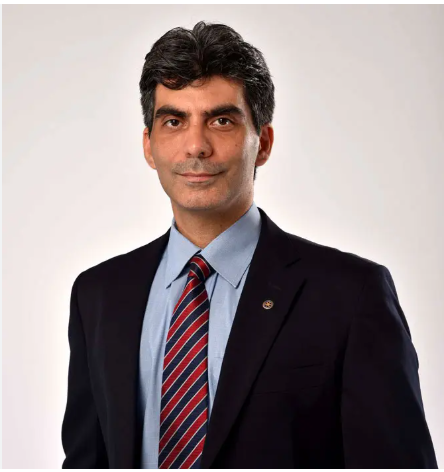
Author: Dr. Aashish Contractor is India's pioneer in cardiac rehabilitation and the Founding Medical Director of the Mumbai Marathon. With over 25 years of experience, he has guided hundreds of heart patients to run safely.


Comments